
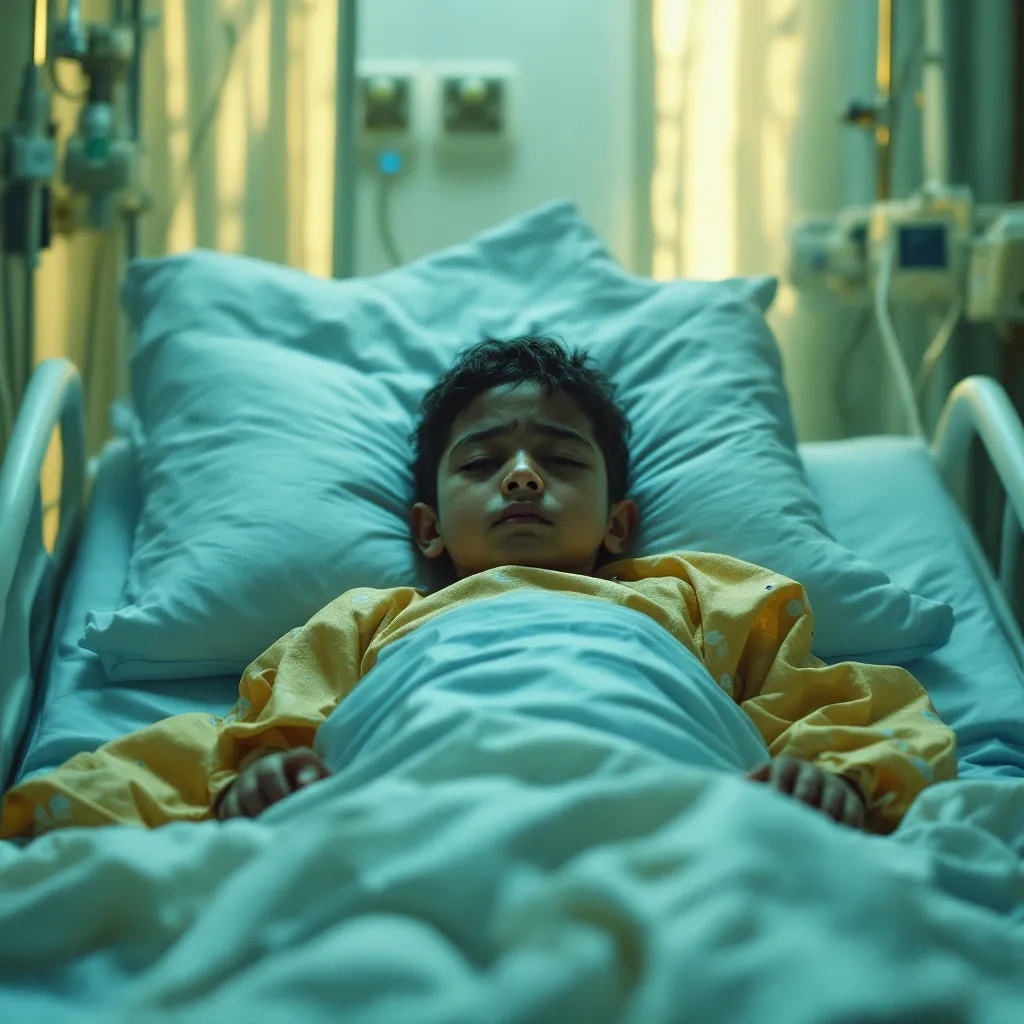
Hearing that your child may need surgery can feel overwhelming. When the condition involves the colon or rectum, it can sound even more frightening. Here we explain pediatric colorectal surgery to help parents understand what it is, who may need it, and what to expect. If you need pediatric colorectal surgery in Kollam, contact us for more information.
What Is Pediatric Colorectal Surgery?
Pediatric colorectal surgery is a type of surgery that treats problems in a child’s colon, rectum, or anus. The colon (large intestine) helps absorb water and form stool. The rectum stores stool before it leaves the body. The anus is the opening where stool passes out.
Children are not just small adults. Their bodies are still growing, and many colorectal problems in children are different from those in adults. Our pediatric colorectal surgeon in Kollam is specially trained to treat babies, children, and teenagers with these conditions. Some colorectal problems are present at birth (congenital). Others develop later because of illness, injury, or infection.
Who Needs Pediatric Colorectal Surgery?
Not all children with bowel problems need surgery. Many issues can be treated with medicines, diet changes, or therapy. Surgery is usually considered when other treatments do not work or when the condition is serious.
Some common conditions that may require pediatric colorectal surgery in Kollam include:
1. Hirschsprung Disease
This is a condition present at birth where part of the colon does not have normal nerve cells. Without these nerves, stool cannot move properly. Babies may have severe constipation, a swollen belly, or trouble passing stool. Surgery removes the affected part of the colon.
2. Anorectal Malformations
These are birth defects where the anus or rectum does not form correctly. Some babies may not have a normal anal opening. Surgery is needed to create or repair the opening so the child can pass stool normally.
3. Severe Constipation or Fecal Incontinence
In rare cases, when long-term constipation or stool leakage does not improve with medical treatment, pediatric colorectal surgery in Kollam may be considered to improve bowel function.
4. Inflammatory Bowel Disease (IBD)
Children with severe forms of Crohn’s disease or ulcerative colitis may need pediatric colorectal surgery in Kollam if medicines do not control symptoms.
5. Colorectal Injuries or Tumors
Although rare, injuries, polyps, or tumors in the colon or rectum may require surgical treatment. Your child’s doctor will carefully evaluate the condition before recommending surgery.
What to Discuss with the Surgeon
Meeting the surgeon is an important step. Do not hesitate to ask questions. It is helpful to understand:
The Diagnosis – Ask the surgeon to explain your child’s condition in simple terms. What is causing the problem? Why is surgery needed?
The Type of Surgery – Is it open surgery (a larger cut) or minimally invasive (small cuts with a camera)? How long will it take?
Risks and Benefits – All surgeries have risks, such as infection, bleeding, or reactions to anesthesia. Ask about possible complications and how common they are.
Recovery and Long-Term Outlook – How long will your child stay in the hospital? Will your child need special care, medications, or therapy after surgery? Will bowel habits be normal later?
Writing down questions before the appointment can help you feel more prepared.
What to Expect Before Surgery
Before surgery, your child may need several tests. These can include blood tests, X-rays, ultrasounds, or special bowel studies. These tests help the surgeon understand the exact problem. The anesthesia team will safely put your child to sleep during the operation. In some cases, your child may need to stop eating or drinking for several hours before surgery. The hospital staff will give clear instructions. It is normal for children to feel scared. Parents can help by speaking calmly and honestly, using simple words to explain what will happen.
What to Expect After Surgery
After pediatric colorectal surgery in Kollam, your child will wake up in a recovery room. Nurses will closely monitor breathing, heart rate, and pain levels.
Pain Control – Doctors and nurses will give medicines to keep your child comfortable. Let them know if your child seems uncomfortable.
Hospital Stay – The length of stay depends on the type of surgery. Some children go home in a few days. More complex cases may require a longer stay.
Eating and Bowel Movements – At first, your child may receive fluids through a drip (IV). Slowly, regular feeding will begin. Bowel movements may take time to return to normal.
Wound Care – You will receive instructions on how to care for the surgical area at home. Watch for signs of infection such as redness, swelling, fever, or unusual discharge. Follow-up visits are important to check healing and bowel function.
Emotional Support for the Child
Colorectal problems can sometimes affect toilet training, body image, and confidence. Children may feel embarrassed after pediatric colorectal surgery in Kollam. Parents should offer reassurance and patience. In some cases, a bowel management program or counseling may help children adjust and improve quality of life.
Pediatric colorectal surgery in Kollam may sound intimidating, but many children recover well and go on to live healthy, active lives. Early diagnosis, proper treatment, and open communication with your child’s medical team are key.
If your child has ongoing bowel problems or has been diagnosed with a colorectal condition, speaking to our pediatric specialist can help you understand the best path forward. Knowledge and preparation can make the journey less stressful for both you and your child.